Understanding the Impact of Regular Trimming on Plants
Regular care for your plants is crucial to their health and lifespan. One often overlooked aspect of plant care is seasonal trimming. This process involves cutting back overgrown or dead parts of a plant during specific times of the year. By doing so, you ensure that your plants remain healthy and vibrant. Seasonal trimming helps prevent diseases and encourages new growth, ultimately leading to longer life for your plants.

The Benefits of Timely Maintenance
Engaging in regular maintenance provides numerous benefits. Firstly, it promotes healthier growth by removing old or diseased branches that could otherwise harm the plant. Secondly, it enhances the aesthetic appeal of your garden, providing a neat and tidy appearance. Lastly, it can boost flowering and fruiting by directing energy towards productive areas. These advantages make Hedge Trimming an essential practice for any gardener looking to maintain beautiful and long-lasting plants.
Challenges Faced Without Proper Care
Without proper attention, plants can face several challenges. Overgrowth might lead to overcrowding, which restricts sunlight and airflow. This environment can become a breeding ground for pests and diseases. Furthermore, neglect may result in weaker structures, making plants susceptible to breaking under harsh weather. These issues highlight why timely interventions like Hedge Trimming are necessary to sustain plant health.
How to Effectively Trim Your Plants
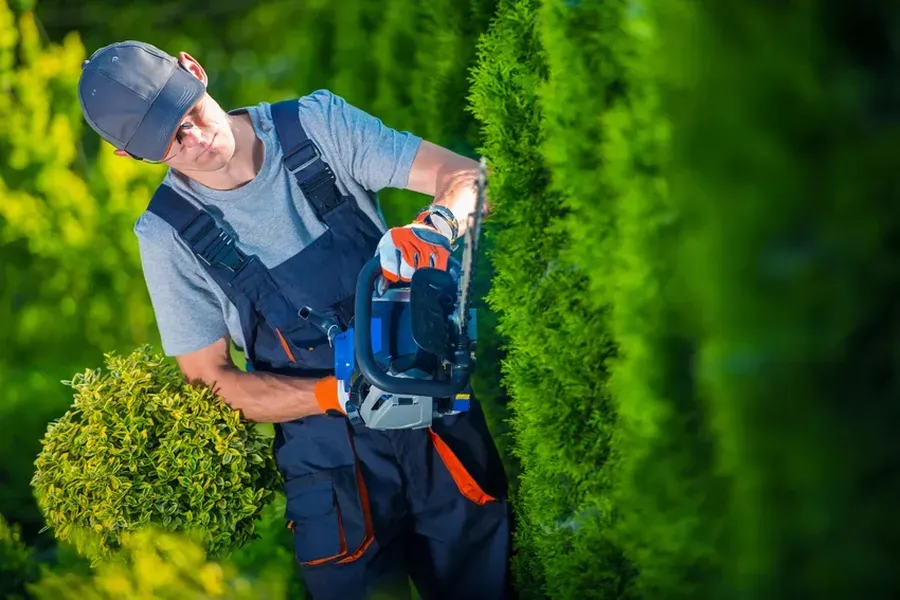
To effectively trim your plants, begin by inspecting them for dead or damaged parts. Carefully cut these sections using sharp tools to minimize stress on the plant. Remember to trim just above a node or bud to encourage new growth. Always keep your tools clean to prevent the spread of disease. If unsure about the timing or technique, consulting with an expert could be beneficial.
Best Practices for Maintaining Plant Health
- Trim regularly during the growing season
- Avoid cutting more than one-third at a time
- Use sanitized tools to reduce infection risk
- Water and fertilize adequately after trimming
Industry Standards for Plant Care
Adhering to industry standards ensures optimal results. Professionals recommend trimming different plants at specific times based on their growth patterns. For example, roses benefit from spring pruning, while evergreens do best with late winter trims. Following guidelines tailored to each plant type guarantees a robust and thriving garden.
Evaluating Costs and Benefits
The cost of maintaining your plants may vary depending on the size of your garden and the types of plants involved. However, the long-term benefits often outweigh these costs. Investing in regular maintenance prevents expensive damage repairs down the line. It also increases property value through enhanced curb appeal.
Your Next Steps Towards a Healthy Garden
If you’re ready to elevate your gardening routine, consider implementing these strategies today. Located in Tomball, TX, I offer personalized advice and solutions tailored to your needs. Contact me for more information at (832) 448-8265. At Texas Landscape Services, I am committed to helping you achieve a flourishing garden.