Understanding How Proper Pruning Impacts Tree Health
Trees are vital to our environment, offering shade, beauty, and habitat. However, like all living things, they are prone to diseases. These diseases can hinder growth or even lead to the death of a tree if not managed properly. Regular maintenance is crucial for preventing and controlling these issues. A significant part of this maintenance involves understanding how proper pruning impacts tree health. This article explores various aspects that contribute to effective disease management in trees.
Importance of Pruning for Tree Health
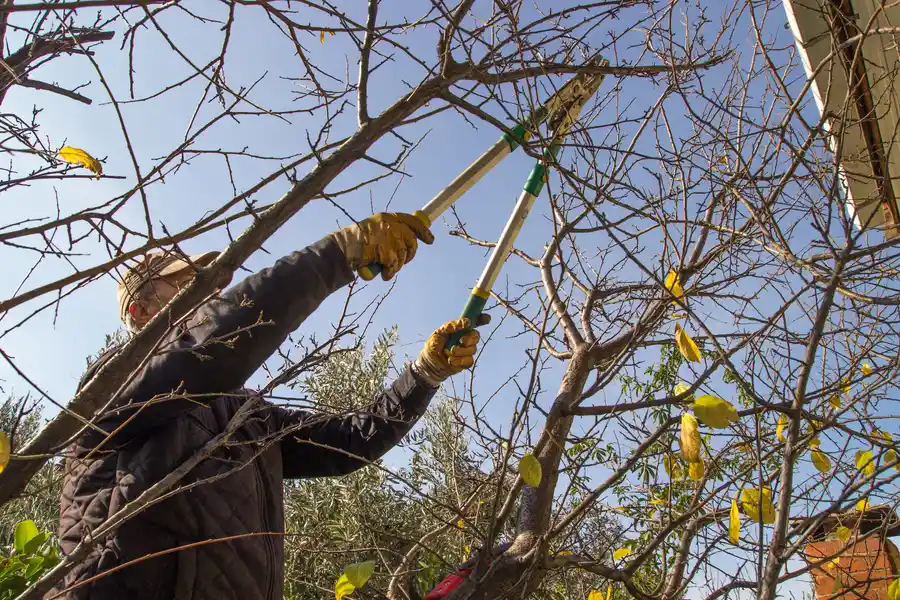
Pruning plays a critical role in maintaining the overall health of a tree. By removing dead or infected branches, you limit the spread of disease within the tree. Moreover, pruning enhances sunlight penetration and air circulation, which are essential for a healthy tree. Good airflow around branches helps prevent fungal infections and other pathogens from taking hold.
How the Right Cut Can Prevent Disease Spread
Making the right cuts when pruning is essential. Incorrect cuts can create open wounds, making trees susceptible to infections. Tree trimming is an effective way to remove infected parts without damaging healthy areas. Always ensure tools are sharp and clean before use to minimize harm to the tree.
Timing Your Maintenance Correctly
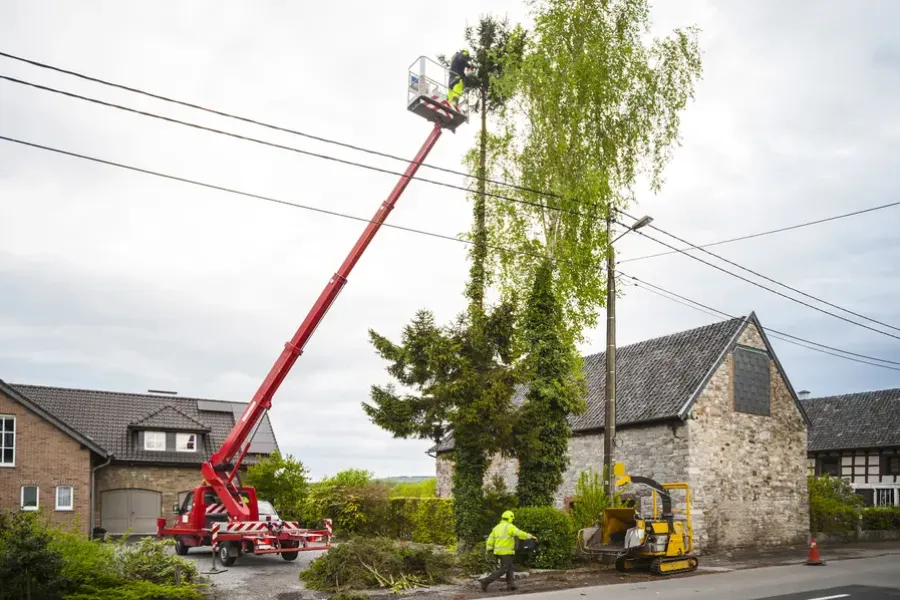
The timing of your pruning efforts can significantly affect disease management. Performing tree trimming during the dormant season can help reduce stress on the tree and lower infection risks. Dormant season pruning also allows you to see the tree’s structure more clearly, making it easier to identify problem areas that need attention.
Common Tree Diseases Mitigated by Pruning
Several common tree diseases can be mitigated through regular pruning activities:
- Canker: Removing affected branches can stop its spread.
- Powdery mildew: Enhancing air circulation reduces its occurrence.
- Leaf spot: Cutting off infected leaves prevents further contamination.
Expert Tips for Effective Pruning
Experts recommend several best practices for effective pruning:
- Identify branches that need removal based on their health status.
- Ensure tools are sterilized between cuts to prevent spreading diseases.
- Avoid removing more than 25% of the foliage at once to maintain healthy growth.
Regulations and Best Practices
Adhering to local regulations and best practices ensures the effectiveness of your efforts. Many regions have guidelines about when and how much you can prune trees on public land. Familiarize yourself with these rules to avoid penalties while ensuring your trees thrive.
Cost Considerations in Disease Management
The cost of managing tree diseases varies depending on several factors, including tree type and extent of infestation. Investing in regular pruning may seem expensive initially but offers long-term savings by preventing costly damage or loss of trees. The return on investment comes from healthier trees that require less intervention over time.
Your Partner in Healthy Trees
If you’re looking for expert advice on keeping your trees healthy, contact me today at (832) 448-8265. Located in Tomball, TX, I offer tailored solutions to meet your unique needs. Texas Landscape Services specializes in helping clients achieve beautiful, disease-free landscapes through expert tree care services.